Guide · 3 November 2026
Hijab guide: fabrics, simple styles and care
A hijab is a headscarf worn by many Muslim women to cover the hair, ears and neck. Whether you have worn one for years or are just starting, the right fabric and a few simple techniques make a big difference to comfort and confidence. This guide covers the basics.
Choosing the fabric
- Jersey: a soft knit with a little stretch. It grips well, needs few pins and is ideal for everyday wear, sport and travel. See our black jersey hijab.
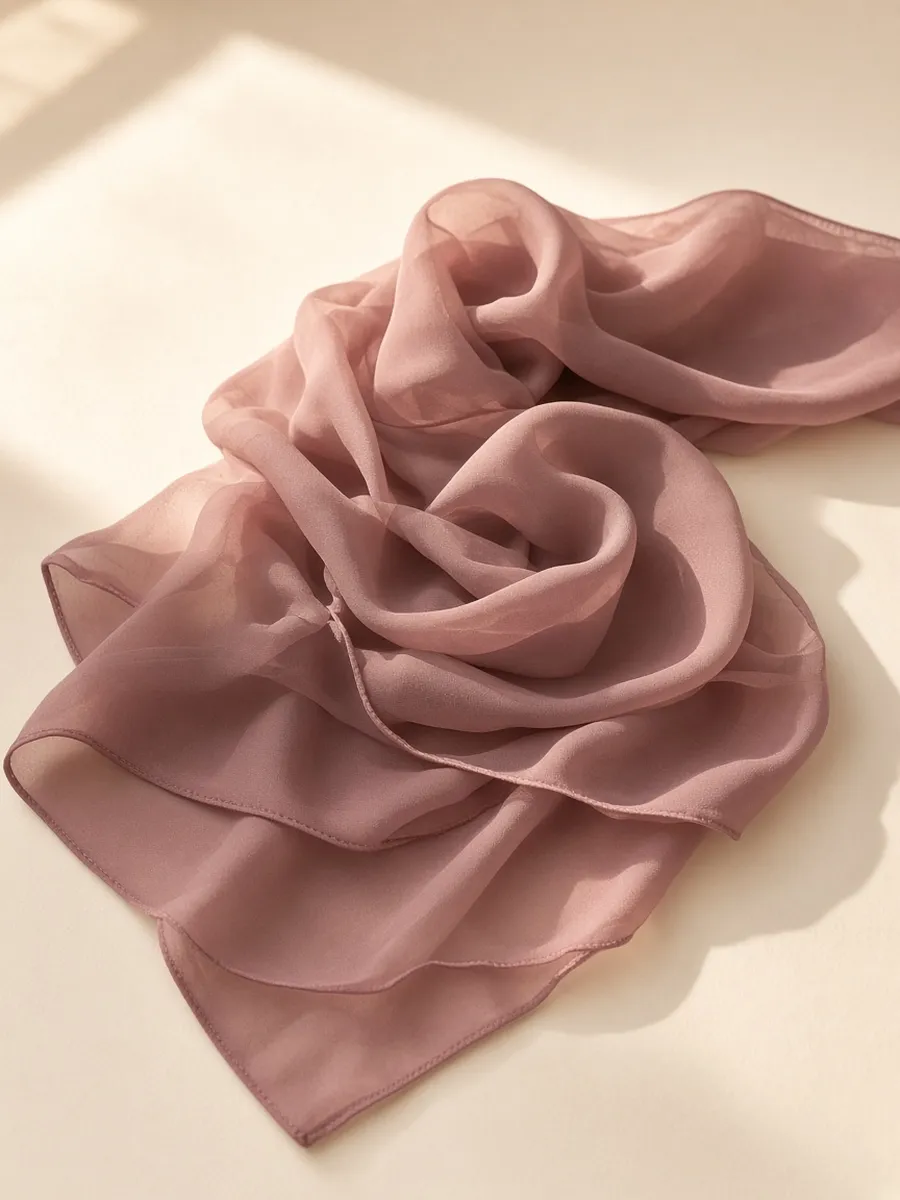
- Chiffon: light and sheer-ish with a lovely flow. It layers well and suits daytime functions; wear an under-cap so it does not slip. See the dusty rose chiffon hijab.
- Satin: smooth with a soft sheen, perfect for Eid, weddings and evenings. It can be slippery, so use an under-cap and pins. See the champagne satin hijab.
- Cotton and viscose: breathable and comfortable for hot days.
- Wool blends: warm for winter in North India.
Size and shape
Most hijabs are either rectangular (also called shaylas), which offer the most styling options, or square, which are folded into a triangle. If you prefer full chest coverage, choose a longer or wider rectangle.
Essentials you will need
- Under-cap: a fitted cap or tube that holds hair in place and stops the hijab slipping.
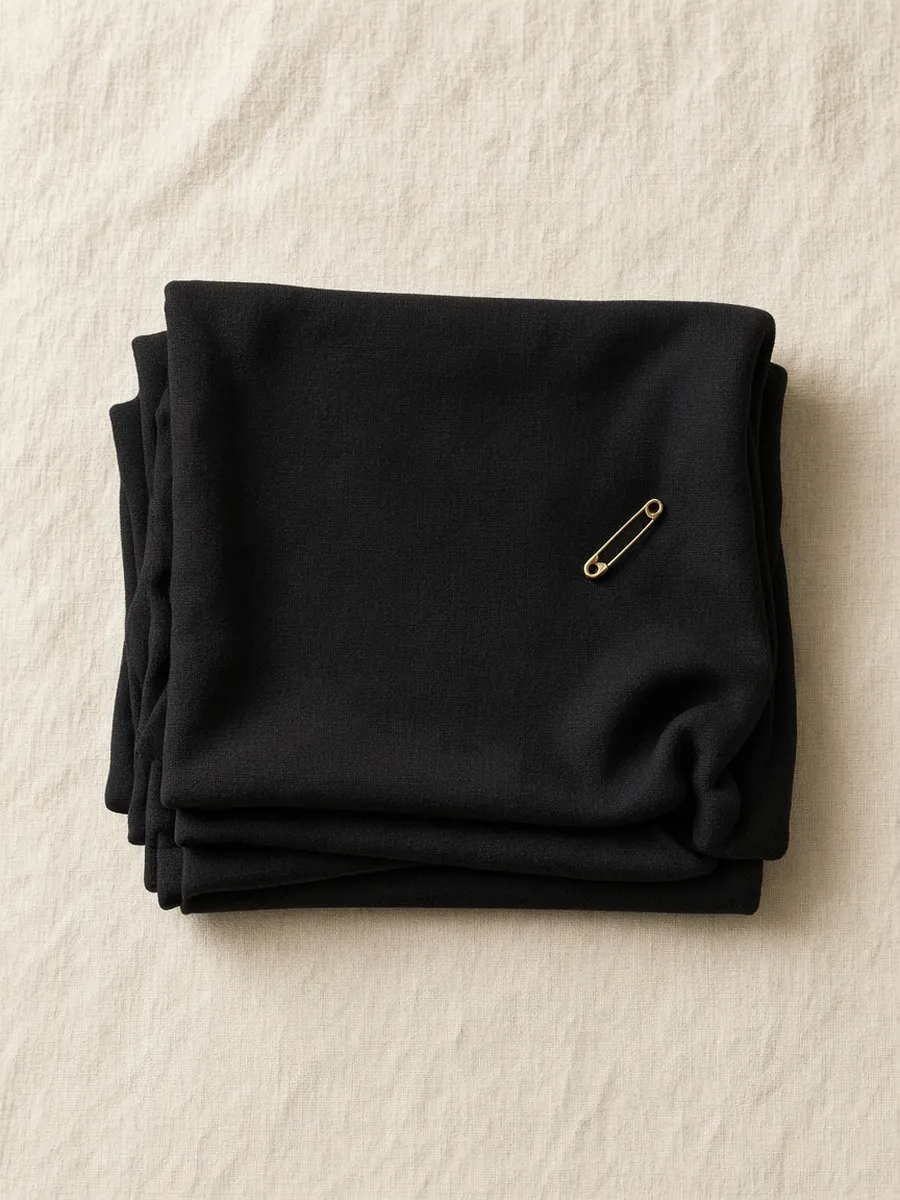
- Pins: safety pins or magnetic pins for securing; straight pins can snag delicate fabrics.
- A mirror and a few minutes the first few times. It quickly becomes second nature.
Three simple ways to wear a hijab
1. The basic wrap (rectangular hijab)
- Put on an under-cap.
- Place the hijab over your head with one side longer than the other.
- Pin it under the chin.
- Take the longer side around the back of your head and over to the opposite shoulder; pin it at the side.
- Arrange the folds so the chest is covered.
2. The triangle fold (square hijab)
- Fold the square into a triangle.
- Place the long edge across your forehead, with the point at the back.
- Pin under the chin, then drape both ends over the shoulders or cross them at the back of the neck and bring them forward.
3. The easy jersey drape
- Place a jersey hijab with both sides even.
- Cross the sides under the chin and take each one back over the opposite shoulder.
- Jersey usually stays put with one pin or none.
Choosing colours
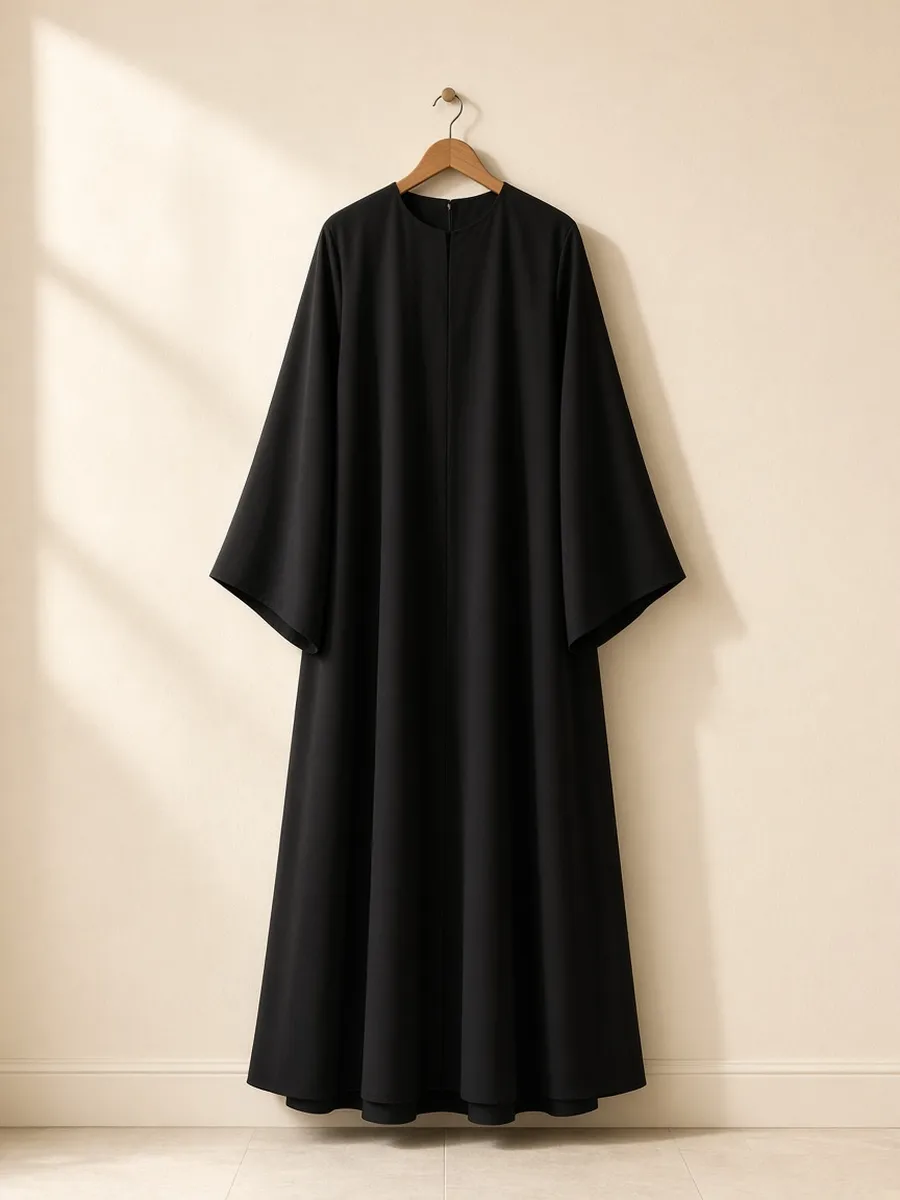
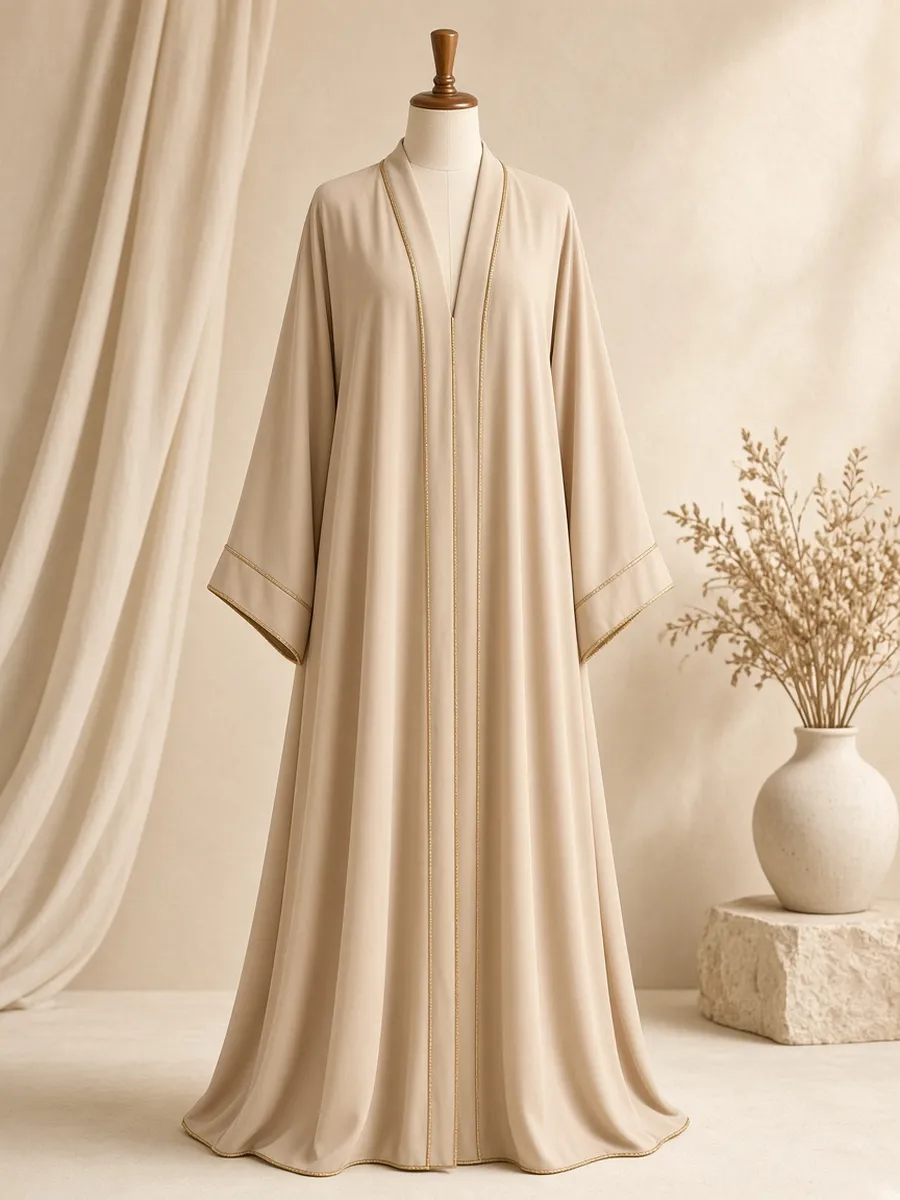
Start with versatile basics in black, white or cream and a neutral such as grey or beige, then add one or two favourite colours. For combinations with abayas, see how to pair a hijab with an abaya.
Caring for your hijabs
- Hand wash chiffon and satin in cold water with a mild detergent; jersey and cotton can usually go in a gentle machine cycle in a laundry bag.
- Do not wring; press out water and hang or lay flat to dry in the shade.
- Iron chiffon and satin on a low setting; jersey rarely needs ironing.
- Store folded or rolled in a drawer, or hung on a scarf hanger to avoid creases.
Common problems and simple fixes
- The hijab keeps slipping. Use a cotton or jersey under-cap with grip; slippery fabrics like satin need one.
- Headaches from pins. Avoid pinning too tightly at the back; use magnetic pins or a jersey style that needs fewer pins.
- Too hot in summer. Choose breathable cotton, viscose or light chiffon, and a mesh or cotton under-cap.
- Creases. Roll hijabs rather than folding them, and hang satin and chiffon after washing.
- Snags. Delicate chiffon snags on jewellery and bag straps. Keep pins smooth and remove rings before styling.
Hijabs for different moments
- Sport and active days: a stretchy jersey hijab that stays put.
- Office: smooth, neutral hijabs that look neat all day.
- Prayer: a hijab that covers the chest well; some women keep a dedicated prayer hijab by their janamaz.
- Occasions: satin or embellished hijabs; keep the abaya simple.
Building a starter collection
If you are starting fresh, five hijabs cover most needs: two jersey hijabs (black and a neutral) for everyday, one chiffon in a soft colour, one satin for occasions, and one in a favourite colour. Add under-caps in black and a neutral, and a few good pins.
Shop hijabs
Browse our hijab collection and the matching abayas. New to modest wear? Read what is an abaya.